
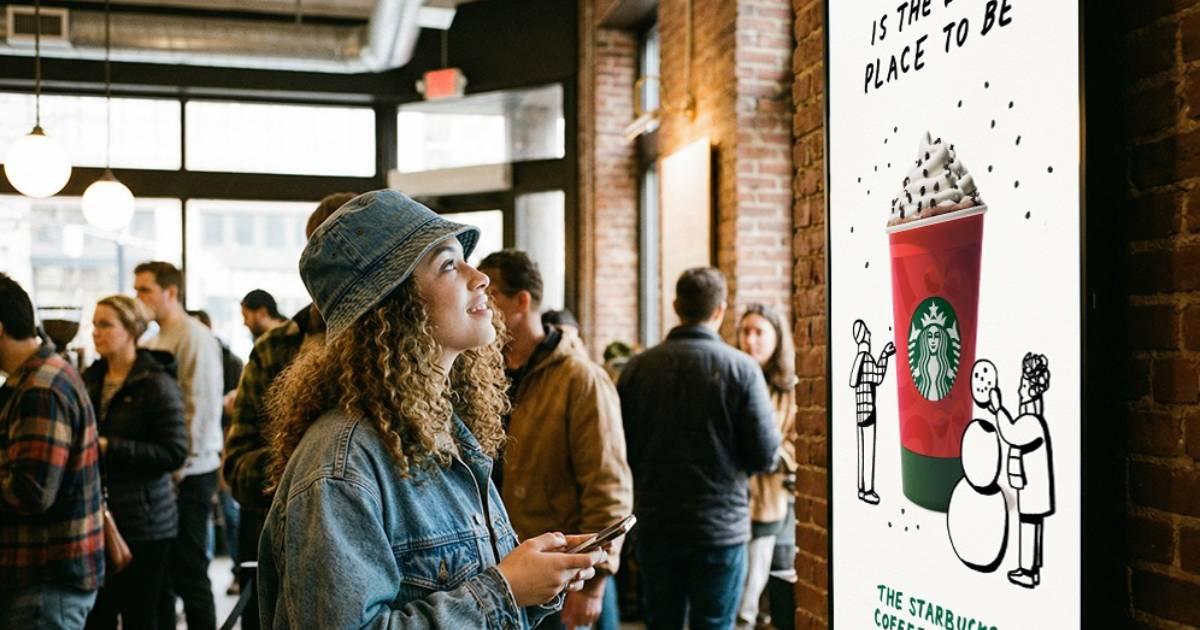
Gen Z is tired of digital ads and often skips or blocks them. Indoor DOOH feels more natural because it appears in real-world shopping environments, reaching them while they’re actively making purchase decisions. Instead of interrupting content, it fits into the moment. That context makes the message feel more relevant and less intrusive.
Gen Z has grown up in a world saturated with ads. From pre-roll videos to sponsored posts to banner ads that follow them across the internet, this generation knows exactly how to tune out digital noise. They skip, scroll, mute, and block.
That shift is forcing brands to rethink how and where they show up.
Indoor Digital Out-of-Home (DOOH) advertising is emerging as a smarter, more natural way to connect with Gen Z. Not because it is louder. But because it fits into real life in a way online ads often do not.
Let’s break down why.
Gen Z Is Experiencing Serious Ad Fatigue
Gen Z spends an average of 7 to 9 hours per day consuming digital media across smartphones, streaming platforms, and social apps. That constant exposure has consequences.
Over 50 percent of Gen Z users report actively skipping ads whenever possible.
Nearly 40 percent use ad blockers.
Attention spans on mobile content often drop below 8 seconds.
Digital ads compete in crowded feeds where dozens of messages fight for attention every minute. Even well-targeted campaigns struggle to break through.
The result is ad avoidance, not engagement.
Indoor DOOH Shows Up Without Interrupting
Indoor DOOH works differently.
Instead of interrupting content, it lives within the environment. Screens inside grocery stores, pharmacies, restaurants, and convenience stores become part of the physical experience.
There is no skip button. No swipe. No pre-roll countdown.
When Gen Z is in a store, they are already in decision mode. They are choosing snacks, comparing brands, or grabbing essentials. Research consistently shows that approximately 70 percent of purchase decisions are made in-store.
That is where Indoor DOOH becomes powerful. It reaches audiences in a moment of intent.
Context Builds Credibility
Gen Z values authenticity and relevance. They are quick to dismiss anything that feels forced or overly polished.
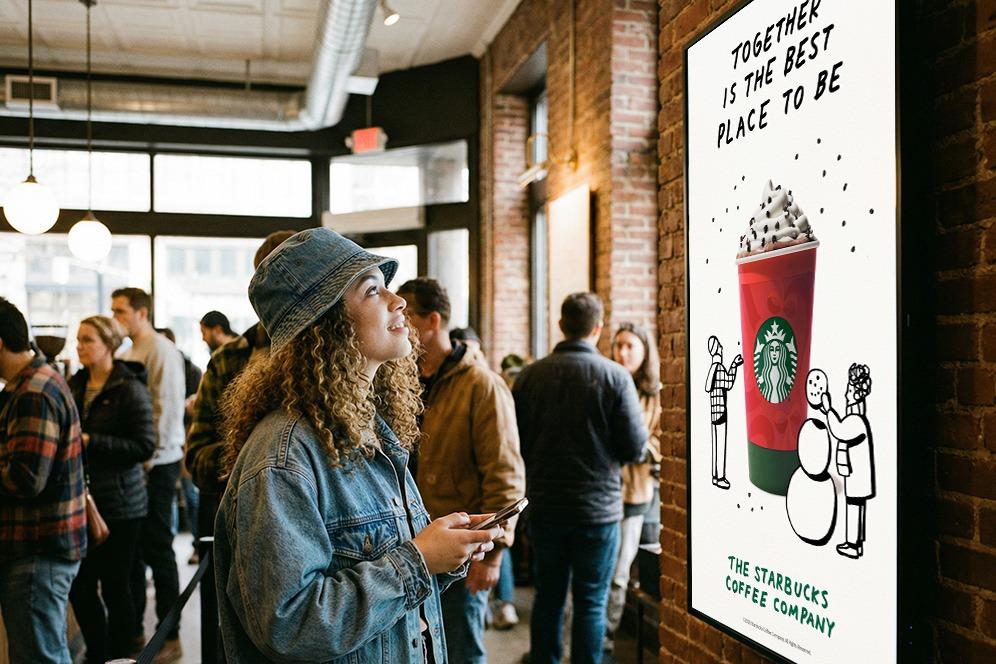
Indoor DOOH benefits from contextual alignment. A healthy snack brand promoted near the checkout. A wellness product displayed inside a pharmacy. A beverage ad inside a café.
The message makes sense in that space.
Context-driven advertising has been shown to improve brand recall and purchase intent compared to non-contextual placements. When ads feel like they belong in the environment, they feel less intrusive.
For a generation that values experience over interruption, this matters.
Physical Spaces Still Influence Digital-Native Audiences
There is a misconception that Gen Z lives entirely online. In reality, they are deeply connected to physical retail experiences.
Over 80 percent of Gen Z shoppers prefer to visit stores when making purchases.
Many use mobile research before entering a store, but finalize decisions at the shelf.
Indoor DOOH bridges that online-to-offline journey. A shopper might discover a product on social media but encounter a reminder on an in-store screen just before purchase.
That last touchpoint reinforces familiarity and nudges action.
Short Attention Spans Favor Clear, Visual Messaging
Gen Z processes information quickly. That does not mean they ignore everything. It means clarity wins.
Indoor DOOH typically uses short, visual-first messaging. Simple headlines. Motion graphics. Bold visuals.
Unlike mobile ads competing with endless scroll, in-store screens benefit from dwell time. Whether someone is waiting in line or browsing an aisle, they are more likely to glance up and absorb a clear message.
Research shows that high-dwell-time environments increase ad recall significantly compared to fleeting outdoor impressions.
Trust Is Built Through Repetition in Everyday Routines
Gen Z values brands that feel consistent and present in their daily lives.
Indoor DOOH appears in routine environments. Grocery runs. Coffee stops. Quick meals. Pharmacy visits.
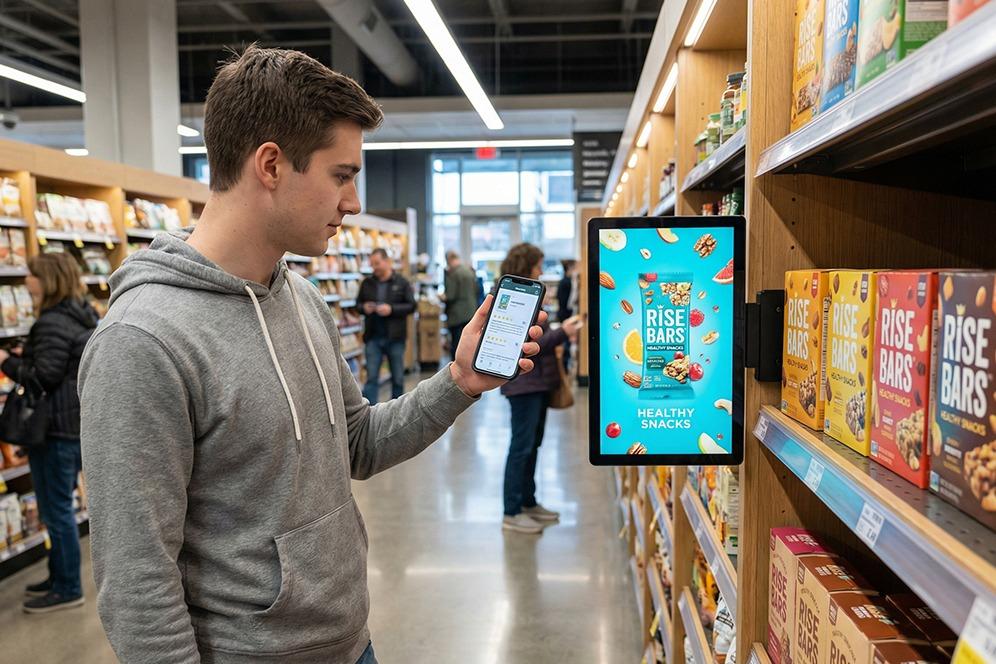
Repeated exposure in familiar spaces builds subtle trust. The brand becomes part of the everyday landscape, not a disruptive pop-up.
That consistency can influence long-term perception, especially among younger consumers who are still forming brand loyalties.
Measurement Is Catching Up
One common myth about DOOH is that it is difficult to measure. That is no longer true.
Advancements in impression tracking, foot traffic analysis, and retail sales lift studies are giving advertisers stronger data on performance.
In fact, brands running in-store digital screen campaigns have reported measurable sales lifts, with some studies showing double-digit increases in purchase behavior compared to control groups.
For marketers focused on ROI, Indoor DOOH is no longer just an awareness channel. It is a performance driver.
Why This Matters for 2026 Media Planning
As digital channels grow more saturated, brands targeting Gen Z need to rebalance their media mix.
That does not mean abandoning online advertising. It means complementing it with high-intent, real-world touchpoints.
Indoor DOOH offers:
Contextual relevance
High dwell time
Reduced ad avoidance
Stronger in-store influence
Measurable performance
For a generation that filters out digital clutter instantly, showing up in the right physical moment can make all the difference.
Bringing It All Together with Dolphin OOH
Connecting with Gen Z is not about being louder. It is about being present in the right place.
Dolphin Digital OOH Media’s indoor network places brands inside high-traffic retail environments across major U.S. markets. From grocery stores to restaurants and pharmacies, these screens reach consumers during real purchase decisions.
For brands looking to engage Gen Z in a way that feels natural, contextual, and measurable, Indoor DOOH is no longer optional. It is essential.
If your 2026 strategy includes winning younger audiences, it might be time to look beyond the scroll and into the store.