
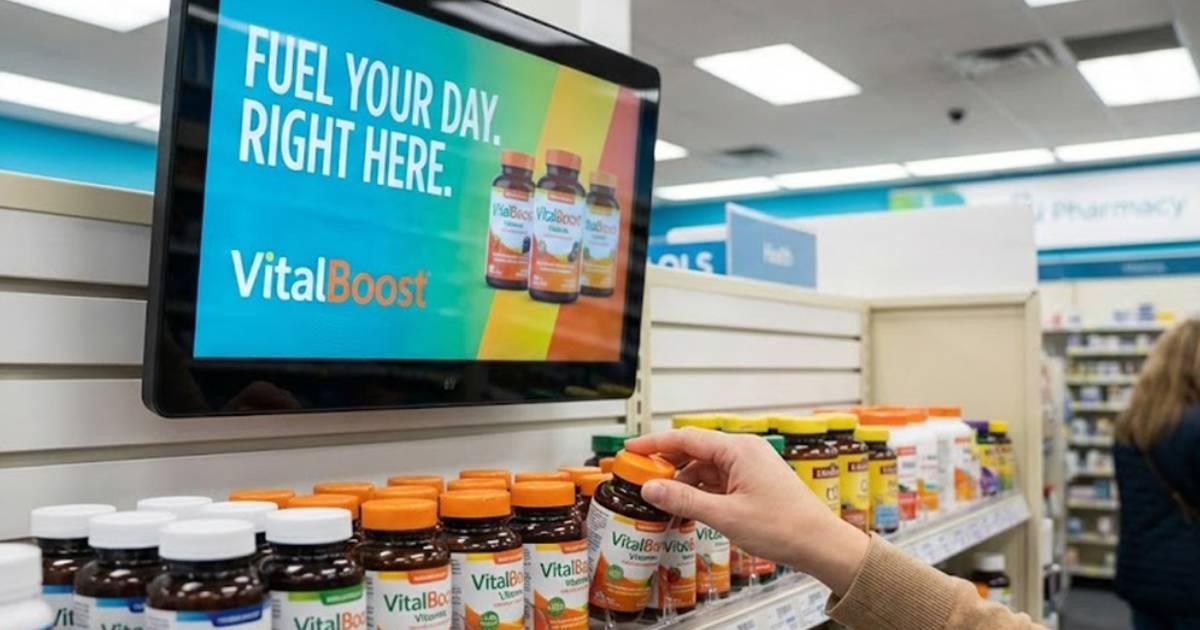
As media planning evolves in 2026, the focus has shifted from being everywhere to showing up in the moments that matter most. Indoor OOH has become a strategic part of omnichannel plans by delivering real attention in physical environments where consumers are present, engaged, and often making decisions. It strengthens digital campaigns through contextual, in-store reinforcement, improves recall and consideration, and avoids common digital challenges like ad fatigue and skipped ads. By combining relevance, visibility, and consistent exposure, Indoor OOH now serves as a high-impact complement to digital media in modern media strategies.
As brands move past Q4 and settle into 2026, media planning looks very different than it did even a few years ago. The focus is no longer on being everywhere. It is about being present in the right moments, with the right context, and delivering messages that actually register.
Omnichannel strategy is now the default, not the exception. Within that mix, Indoor Out-of-Home (OOH) has earned a more strategic role than ever before.
The Shift From Reach to Real Attention
Digital media still dominates many plans, but marketers are facing clear challenges. Ad fatigue, declining engagement, and limited attention spans continue to affect performance. Consumers scroll quickly, skip ads, and tune out messages that feel repetitive or intrusive.
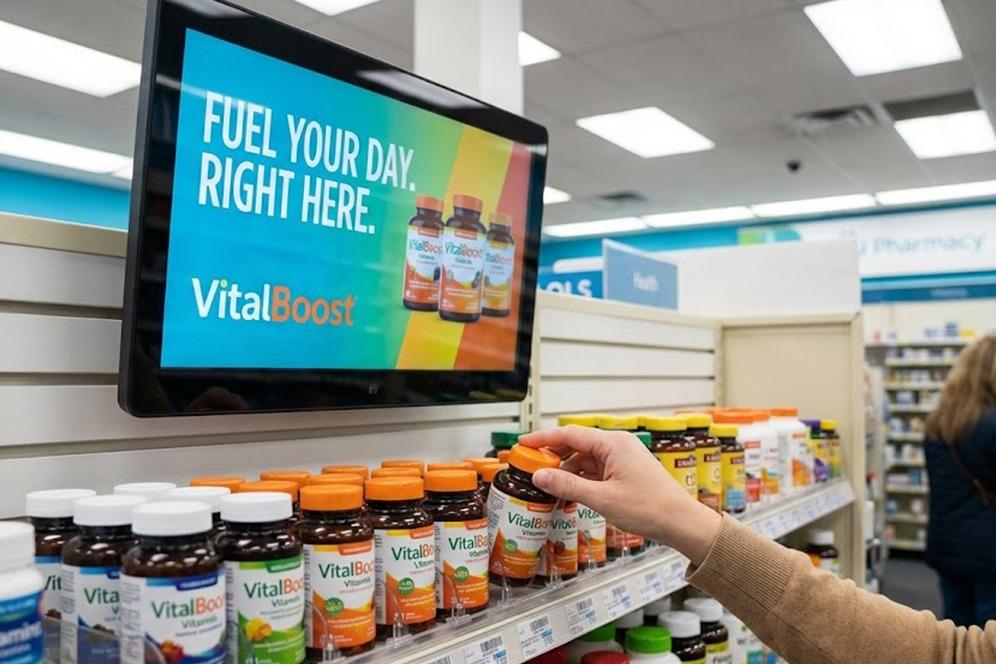
At the same time, people continue to spend meaningful time in physical spaces like grocery stores, pharmacies, convenience stores, and retail locations. These environments offer something digital often cannot: focused, real-world attention.
Indoor OOH reaches audiences when they are present, alert, and often making decisions. That shift from passive exposure to active attention is why it matters more in 2026 than it did before.
Indoor OOH’s Role in an Omnichannel Funnel
Modern media funnels are not linear. A consumer may see a brand online, notice it again in-store, and convert later through a different channel altogether.
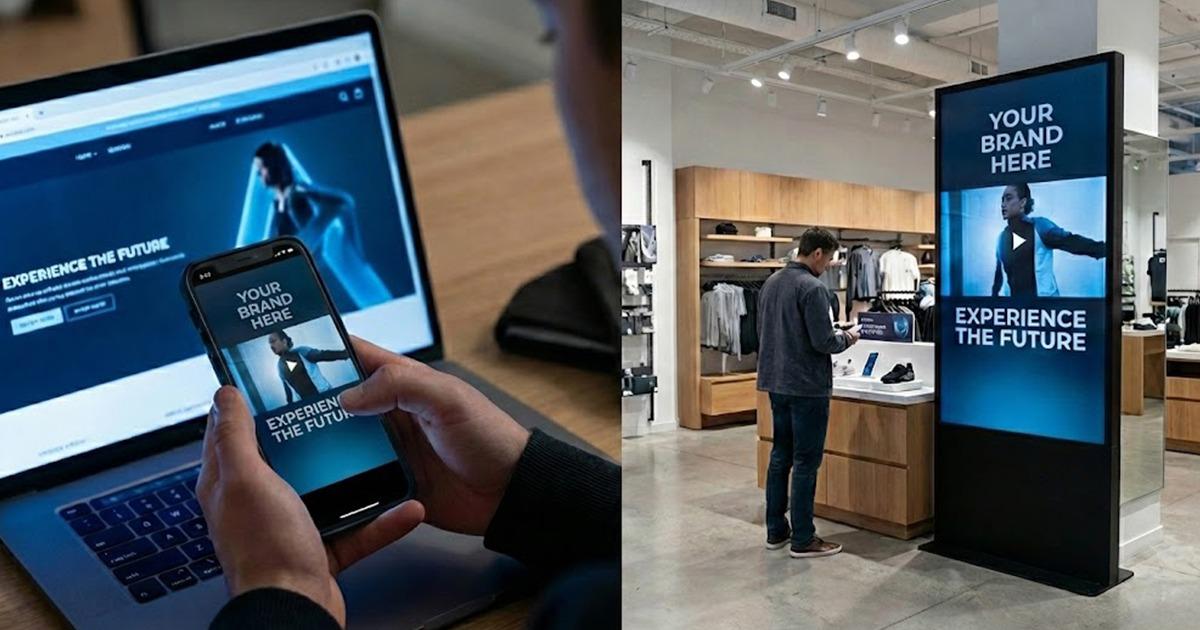
Indoor OOH works best as a reinforcement layer within this journey. It strengthens awareness created by digital campaigns and keeps brands visible during everyday routines. Instead of competing with digital, it supports it by adding frequency and familiarity in the physical world.
This makes Indoor OOH especially effective for mid-funnel objectives like consideration, recall, and brand trust.
Context Is the Advantage
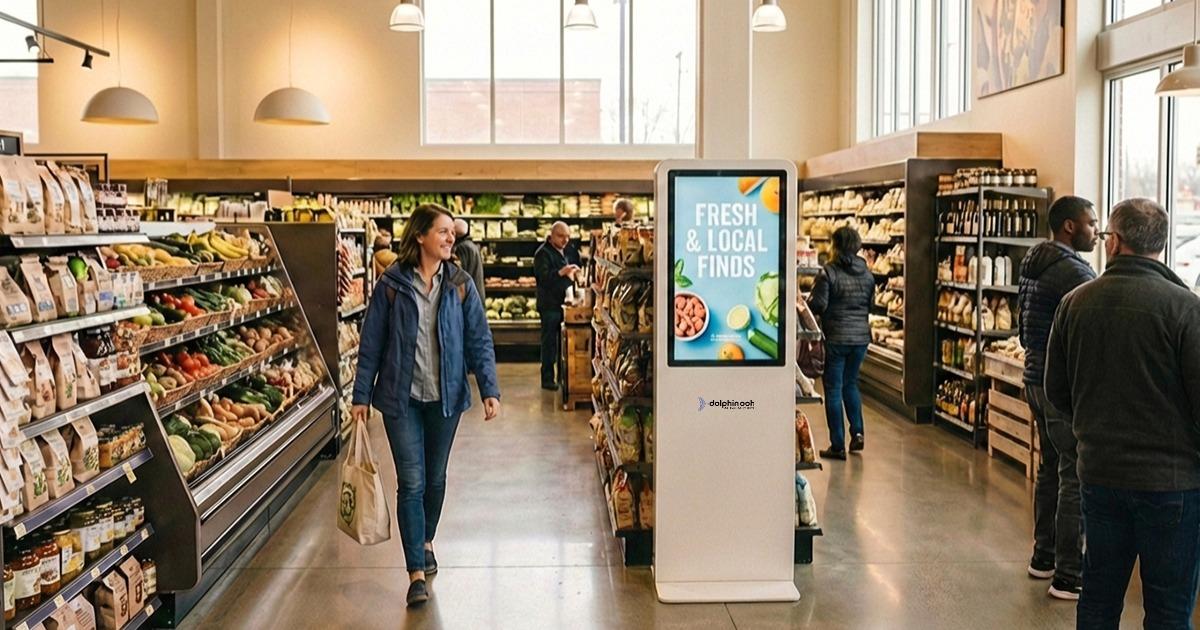
One of the biggest strengths of Indoor OOH is context. Messages placed inside relevant environments naturally feel more aligned with the consumer’s mindset.
A wellness message inside a pharmacy, a food brand inside a grocery store, or a local service promoted near the point of need all benefit from being seen in the right place. Context increases relevance, and relevance drives recall.
In 2026, this kind of contextual alignment is no longer a nice-to-have. It is an expectation.
A Strong Complement to Digital Media
Rather than replacing digital channels, Indoor OOH enhances them. Brands using both physical and digital touchpoints benefit from stronger message reinforcement and broader coverage across a consumer’s day.
Indoor OOH also avoids many common digital challenges. There is no ad blocking, no skipped placements, and no competing tabs. The message appears clearly, consistently, and in a controlled environment.
For planners looking to balance performance with visibility, this makes Indoor OOH a reliable addition to the media mix.
Measurement Has Caught Up
One reason Indoor OOH was once underutilized was the perception that it lacked measurement. That is no longer the case.
Today’s networks offer impression-based reporting, campaign verification, and location-level insights. These capabilities allow marketers to plan, execute, and evaluate Indoor OOH with the same rigor expected of other channels.
As accountability continues to shape media decisions in 2026, this evolution has made Indoor OOH far easier to justify and scale.
Why Indoor OOH Matters in 2026
Media planning today is about efficiency, clarity, and impact. Brands are prioritizing channels that deliver consistent attention, meaningful presence, and measurable results.
Indoor OOH fits squarely into that expectation. It brings brands into everyday spaces, supports omnichannel storytelling, and connects messaging to real-world behavior.
Where Dolphin Comes In
Dolphin OOH operates at the intersection of scale, context, and execution. By placing brands inside high-traffic retail environments across major U.S. markets, Dolphin helps advertisers extend their reach beyond screens and into moments that matter.
As omnichannel strategies continue to evolve, Indoor OOH is no longer a supporting player. It is a core channel for brands that want to stay visible, relevant, and trusted in 2026 and beyond.